
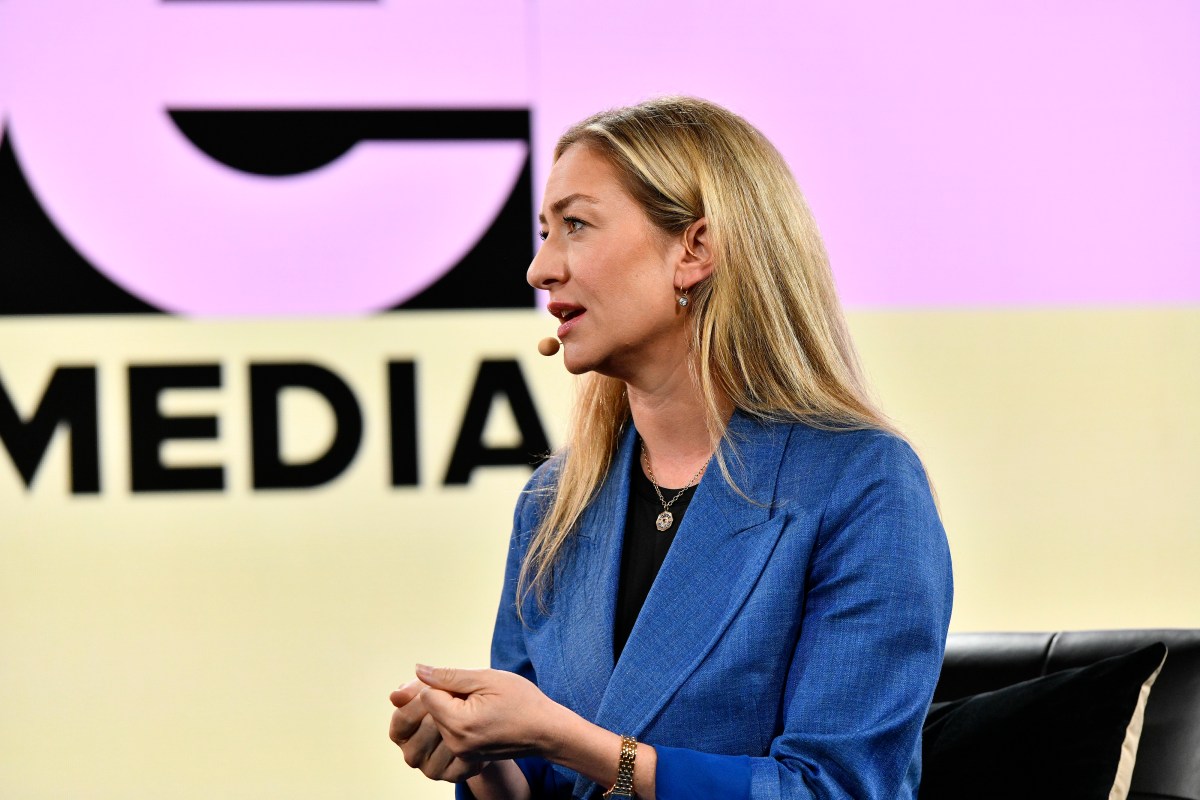
Bumble's decision to eliminate swiping represents far more than a cosmetic update—it signals an admission that the interaction model pioneered by Tinder more than a decade ago has exhausted its cultural relevance. CEO Whitney Wolfe Herd framed the shift as revolutionary, but the real story is one of desperation masked by optimistic language. The company is planning a major architectural overhaul scheduled for late 2024, driven by precipitous user engagement collapse: paid subscribers dropped 21% year-over-year in Q1 alone, a hemorrhage severe enough to justify the massive engineering investment required to reimagine the platform's core mechanics.
The swipe's dominance in mobile dating reflects a specific historical moment when touch-based interaction was novel and efficiency was paramount. Yet the model has become mathematized to the point of exhaustion. Every dating app now uses essentially identical gesture vocabularies and algorithmic filtering, creating a commodity experience where users hop between platforms seeking marginal improvements. Bumble's earlier attempts to differentiate—primarily through its "women message first" positioning—proved insufficient to maintain momentum against TikTok's social discovery features and the rising sophistication of niche platforms. The company's own framing of recent quarters as a "deliberate reset" prioritizing quality over quantity is convenient corporate language for a user base that has actively chosen to leave. When a company loses 800,000 paying subscribers in twelve months, calling it a strategic choice strains credibility.
What's genuinely significant is Bumble's apparent pivot toward AI-driven matchmaking as the replacement paradigm. The company has already begun developing Bee, an AI assistant that Wolfe Herd has publicly imagined taking to absurdist extremes—including AI agents dating other AI agents on users' behalf. This represents a different inflection point than most AI integration in consumer apps, where machine learning typically optimizes existing workflows. Bumble is considering whether AI might fundamentally redefine what dating app interaction looks like, moving away from user-driven selection toward algorithmic curation or even autonomous bots handling initial stages of relationship formation. Whether this vision resonates with Gen Z consumers who are increasingly skeptical of visible AI features remains the critical open question, though Wolfe Herd's confidence suggests the company is betting heavily on this direction.
The implications ripple across multiple constituencies. For consumers, this threatens to further abstract the already-mediated experience of digital dating into layers of algorithmic and AI interpretation. For the broader dating app ecosystem, Bumble's reset signals that the swipe-based paradigm may finally be collapsing, potentially creating space for genuinely novel interaction models—though whether Bumble can execute this transition faster than competitors adopt similar changes is unclear. The decision also matters for AI developers watching how conversational AI and agent-based systems might penetrate mainstream consumer applications, particularly where intimate human decisions are at stake.
Against competitors like Match Group's Tinder and Hinge, Bumble is attempting to leapfrog by moving the conversation beyond incremental feature iterations. Yet Match's portfolio depth and Tinder's entrenched user base provide substantial defensive advantages. More threatening to Bumble may be newer social platforms that serve dating functions incidentally—Instagram, BeReal, TikTok—where romantic discovery emerges organically rather than through dedicated interfaces. By dismantling the swipe, Bumble is acknowledging that mechanical efficiency alone cannot compete with platforms offering richer social context.
The real test arrives in Q4 when the redesigned app launches. Implementation matters enormously; an AI dating assistant could either feel genuinely helpful or gimmicky, depending on execution quality and actual utility. Bumble's path forward requires not just abandoning outdated mechanics but convincing users that AI-mediated matching delivers better outcomes than the alternatives. The company is gambling that romantic discovery itself can be meaningfully reimagined, a claim worth watching closely as the feature rollout begins.
This article was originally published on TechCrunch AI. Read the full piece at the source.
Read full article on TechCrunch AI →DeepTrendLab curates AI news from 50+ sources. All original content and rights belong to TechCrunch AI. DeepTrendLab's analysis is independently written and does not represent the views of the original publisher.


