# Introduction
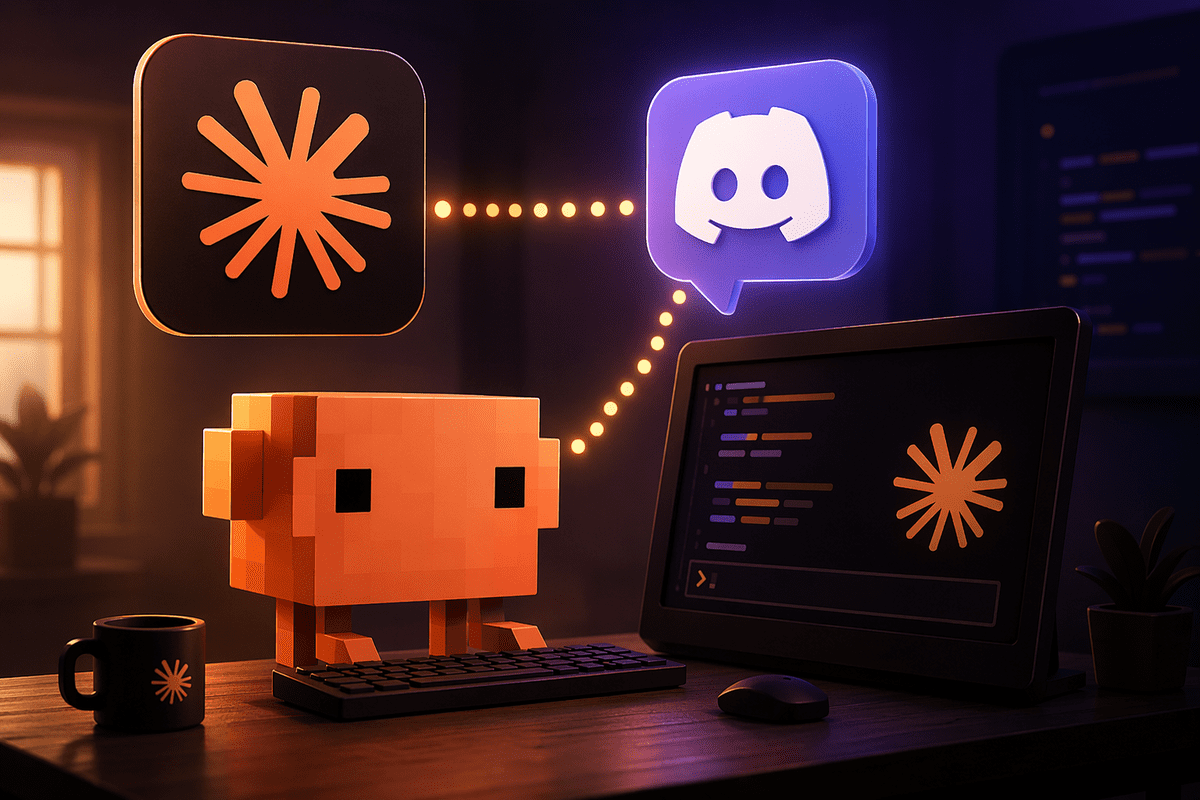
Claude Code Channels is quickly becoming a practical alternative to OpenClaw for people who want to connect Claude to chat platforms without setting up a heavier agent framework. It is simpler to get running, works with a Claude subscription out of the box, and gives you a straightforward way to interact with a local Claude Code session through Discord.
In this article, you will learn how to set up Claude Code Channels locally and connect it to your Discord server. The key thing to understand from the start is that this setup depends on a live local Claude Code session. The bot only works while that session is actively running on your machine.
# What You Need Before You Start
Before setting everything up, make sure you have:
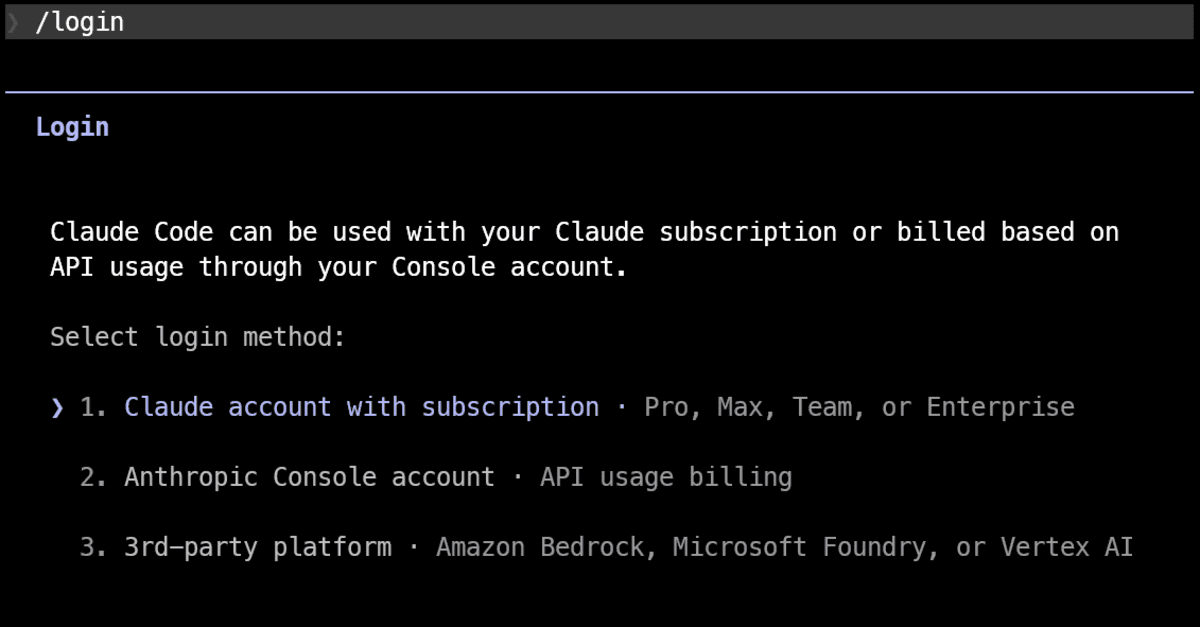
You should also know that Channels requires a Claude.ai login and does not work with API-key-only authentication.
Note: This guide uses Windows 11 as the operating system for the setup steps and commands, but the same overall process can also be followed on Linux and macOS.
# Installing Claude Code and Signing In
First, install Claude Code in PowerShell:
irm https://claude.ai/install.ps1 | iexThen create a working folder, move into it, and start Claude Code:
mkdir my-channels
cd my-channels
claude
Once Claude Code opens, log in with your Claude.ai account:
This step is required before Channels will work.
# Installing Bun and Adding the Discord Plugin
Claude Code's official Channels plugins use Bun, so install it next:
irm bun.sh/install.ps1 | iexYou can confirm the installation with:
After that, inside Claude Code, run the following commands one by one in the same sequence. Each command prepares the next step, so it is important not to skip the order.
First, add the official plugin marketplace:
/plugin marketplace add anthropics/claude-plugins-officialNext, update the marketplace so Claude Code can fetch the latest available plugins:
/plugin marketplace update claude-plugins-officialThen install the official Discord plugin:
/plugin install discord@claude-plugins-officialFinally, reload plugins so the newly installed Discord integration becomes available in your current Claude Code session:
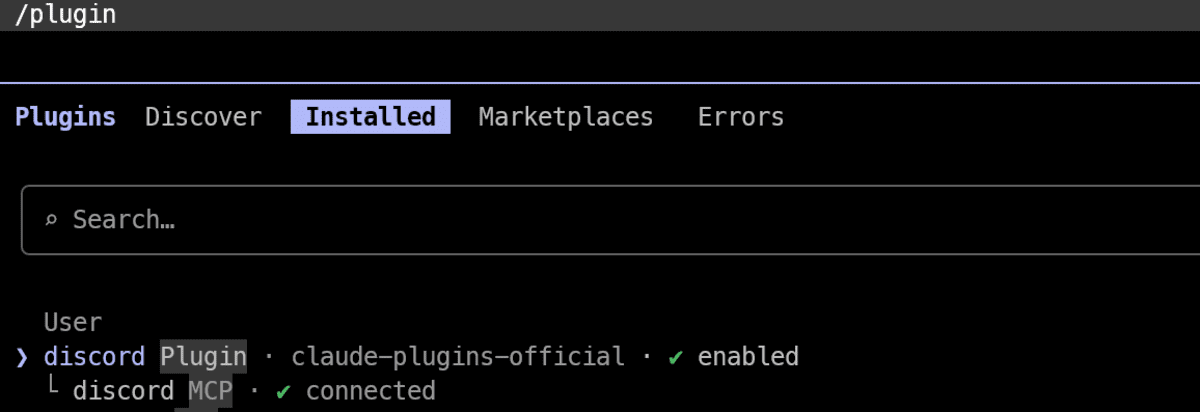
At this point, Claude Code is ready to use the Discord channel integration.
# Creating and Configuring Your Discord Bot
Now go to the Discord Developer Portal and create a new application. Inside that application, open the Bot section, reset the token, and copy it somewhere safe.
You also need to enable Message Content Intent, because without it the bot will not be able to read the text people send.
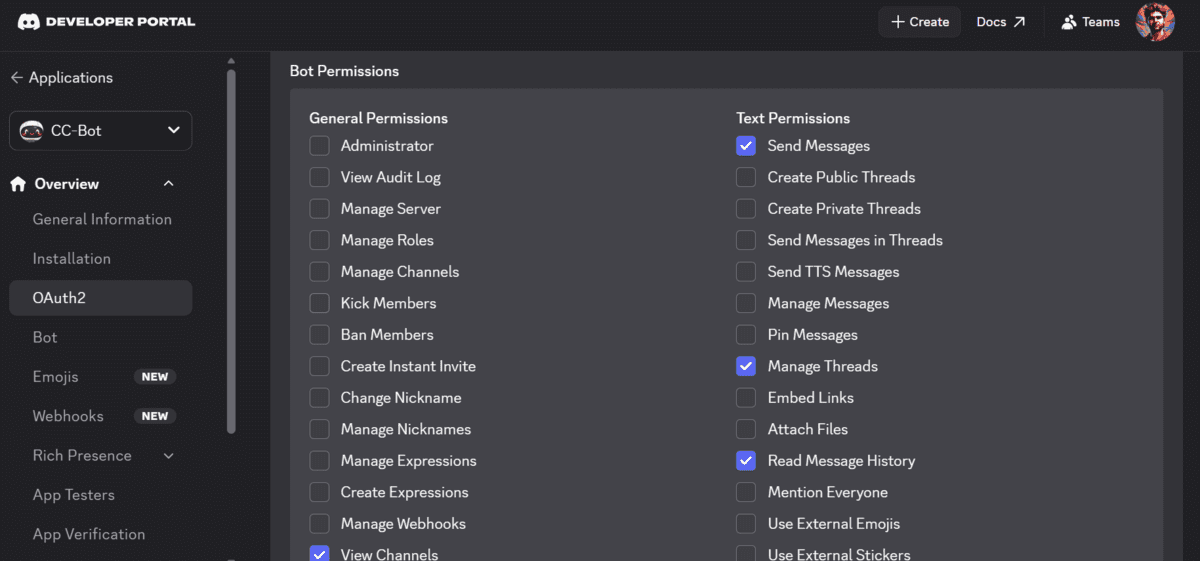
Next, generate an invite link for the bot using the OAuth2 URL Generator. Give it the permissions it needs, such as:
- View Channels
- Send Messages
- Send Messages in Threads
- Read Message History
- Attach Files
- Add Reactions
- Send Voice Messages
Then use the generated link to add the bot to your Discord server.
# Connecting Claude Code to Discord
Go back to Claude Code and configure the Discord plugin using your bot token:
/discord:configure YOUR_DISCORD_BOT_TOKENClaude Code usually stores this token automatically in its Channels config directory.
After configuring the token, restart Claude Code with Channels enabled:
claude --channels plugin:discord@claude-plugins-officialThis starts Claude Code with the Discord Channels plugin turned on.
If you do not want Claude Code to ask for permission each time it needs to use a tool or take a new action, you can start it with the auto-approve flag instead:
claude --dangerously-skip-permissions --channels plugin:discord@claude-plugins-official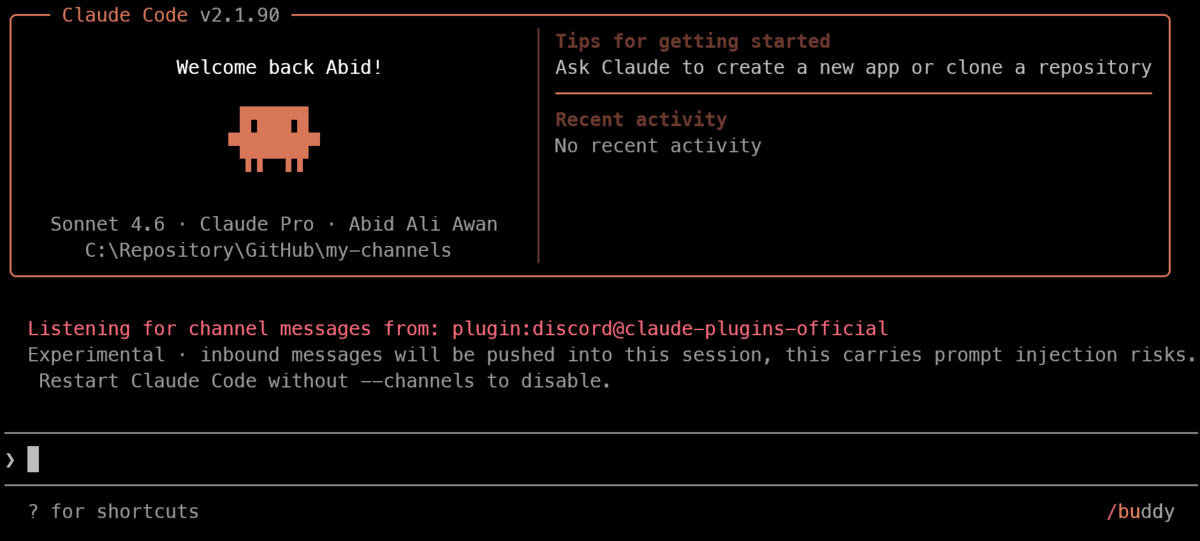
This makes the session more automatic, which can be useful for a smoother Discord experience. However, you should only use this if you trust the environment and understand that Claude Code will be allowed to act without asking for confirmation each time.
# Pairing Your Discord Account and Starting to Use It
Once Claude Code is running with Channels enabled, send your bot a direct message in Discord. It should reply with a pairing code.
Take that code and enter it inside Claude Code:
/discord:access pair YOUR_PAIRING_CODEThen lock access to approved users only:
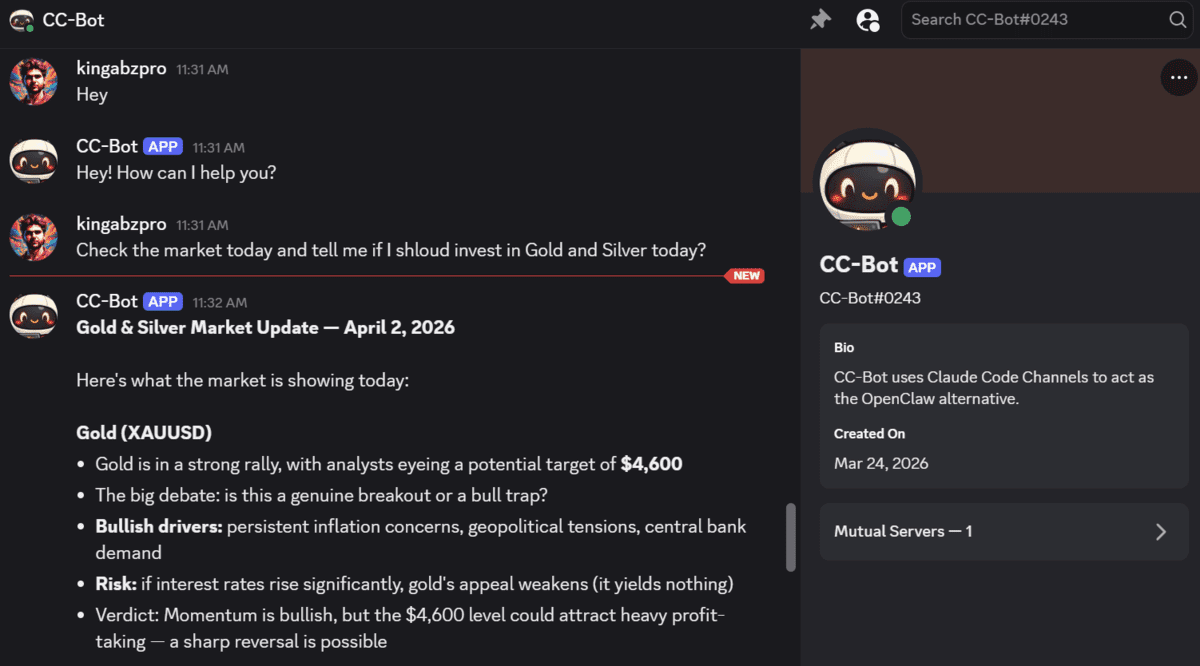
/discord:access policy allowlistAfter that, you can message the bot in Discord and Claude Code will respond through your local session.
# Final Notes and Troubleshooting
If something is not working as expected, the points below cover the most common Claude Code Channels issues and the fastest ways to fix them.
- Bot is online but says nothing: Enable Message Content Intent in your Discord bot settings. Without it, the bot receives empty message content.
- Claude never connects to Discord: Restart Claude Code with the
--channels plugin:discord@claude-plugins-officialflag. The Discord plugin will not work unless Channels is enabled at launch. - Bot does not answer after setup: Complete the pairing step by sending the bot a DM, copying the pairing code, and running the pair command inside Claude Code.
- DMs do not work at all: Make sure your Discord account and the bot are in the same server, since Discord requires that for direct messages to work.
- Plugin commands do not appear: Run
/reload-pluginsafter installing or updating the plugin so the current session picks it up. - Replies break after resuming a session: Avoid relying on
--resumefor now, because a recent Claude Code issue reports that channel plugins may not restart correctly after resume. - Claude says it is listening, but nothing arrives: Check
/mcpto confirm the Discord plugin is actually connected. Recent reports show cases where the plugin fails on startup even though Claude Code looks ready. - Messages arrive but Claude stays idle: This may be a current channel notification bug. Restarting the session is the simplest workaround for now.
- Replies stop after an Allow or Deny prompt: This is a recently reported Discord permission relay issue. Restart the session if it happens.
If the bot stops working when you close the terminal, that is normal. Claude Code Channels only works while your local Claude Code session is still running.
Abid Ali Awan (@1abidaliawan) is a certified data scientist professional who loves building machine learning models. Currently, he is focusing on content creation and writing technical blogs on machine learning and data science technologies. Abid holds a Master's degree in technology management and a bachelor's degree in telecommunication engineering. His vision is to build an AI product using a graph neural network for students struggling with mental illness.