OpenAI Blog
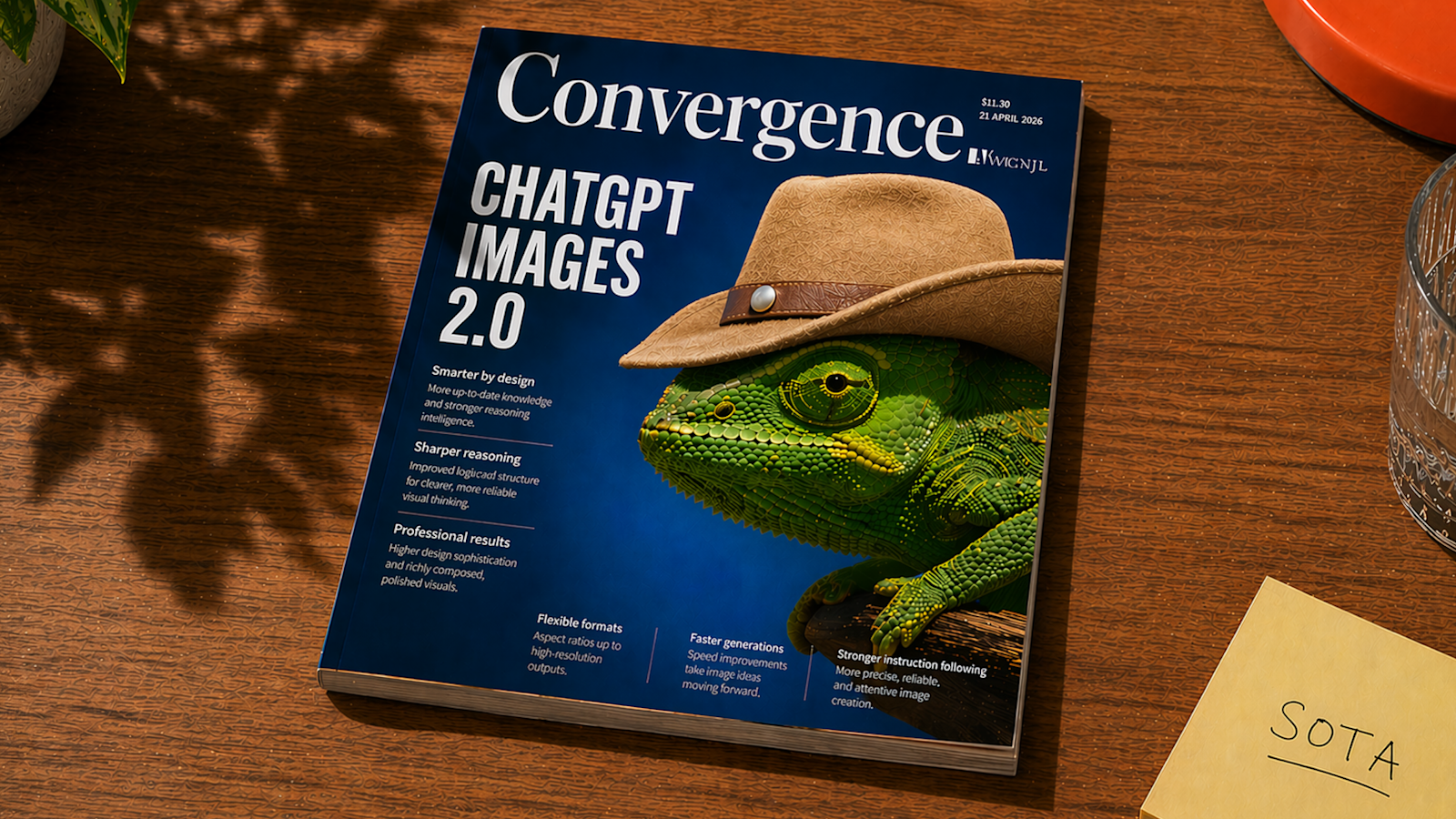
OpenAI has released ChatGPT Images 2.0, a significant refresh of its image generation capabilities integrated directly into the ChatGPT ecosystem. The update introduces refined UI controls, new aspect ratio options (horizontal, square, and vertical), and appears to be a generational leap in generation quality and consistency. While OpenAI has been iterative with image tools, releasing this under a "2.0" banner signals both a confidence in improved outputs and a strategic push to cement image generation as central rather than peripheral to ChatGPT's value proposition. The timing—April 2026—places this release in an increasingly crowded market where image synthesis has become table stakes for any credible AI platform.
Image generation inside ChatGPT has existed since late 2024, but adoption plateaued against competition from specialized tools like Midjourney, Adobe Firefly, and others that carved out communities around superior aesthetic outcomes or superior control. OpenAI faced the uncomfortable position of offering image features as an afterthought bolted onto a text-centric product. The 2.0 iteration represents OpenAI's internal acknowledgment of this gap—the company likely invested heavily in model improvements (inference speed, fidelity, prompt adherence) and paid close attention to friction points users faced. The aspect ratio controls suggest direct feedback on usability; content creators working within specific templates (social media posts, web assets, print layouts) repeatedly complained about forced dimensions requiring post-generation cropping or padding.
The competitive implications are subtle but consequential. OpenAI's distribution advantage—ChatGPT's 200+ million monthly active users—means even a competent image tool becomes formidable through sheer exposure. Users don't need Midjourney if they're already in ChatGPT; they need a reason to leave. A legitimately improved 2.0 version closes the gap enough to prevent that friction from becoming a habit. This is especially significant for enterprise customers and teams evaluating unified AI platforms rather than specialized tools. If Images 2.0 reaches parity with premium competitors while requiring no additional signup or context switching, procurement conversations shift in OpenAI's favor. Midjourney and others will need to either differentiate harder on creative control or double down on community and aesthetics.
The update directly affects three constituencies. Content creators and designers see a tool that's now viable for real workflows rather than experimentation. The frictionless integration into ChatGPT means faster iteration on visual concepts during brainstorming and drafting. Enterprise teams evaluating whether to standardize on ChatGPT for AI workflows now have fewer gaps to justify workarounds or supplementary tools. Developers building on the ChatGPT API or platform gain a more credible image generation layer to incorporate into applications, reducing the need to integrate with competing services. Importantly, the decision to optimize for common aspect ratios signals attention to actual use cases rather than academic image generation.
This release underscores a larger competitive theme: the consolidation of AI capabilities into integrated platforms owned by scale players. Rather than AI as specialized point solutions, the trajectory favors everything-bagels. OpenAI, Google, and Anthropic are all racing to bundle text, image, voice, and video under one platform, betting that convenience and unified billing will overcome single-tool superiority. ChatGPT Images 2.0 is a tactical move in this war. It also reflects OpenAI's shift toward making ChatGPT Pro and team subscriptions more defensible—robust image generation is an actual differentiator for paid tiers, not just a marketing bullet point.
The questions ahead hinge on execution and differentiation. How does Images 2.0 perform on photorealism versus abstraction, and do users actually perceive the generational leap? More importantly, does OpenAI's roadmap include broader content creation workflows (video editing, audio synthesis, design system generation) that would turn ChatGPT into a creative studio? The aspect ratio flexibility hints at ambition beyond novelty. If OpenAI threads the needle on quality, speed, and usefulness, the impact will be less about beating Midjourney on pure aesthetics and more about making specialized tools obsolete through convenience. For the broader industry, this is a reminder that AI leadership increasingly means distribution and platform lock-in, not just model capability.
This article was originally published on OpenAI Blog. Read the full piece at the source.
Read full article on OpenAI Blog →DeepTrendLab curates AI news from 50+ sources. All original content and rights belong to OpenAI Blog. DeepTrendLab's analysis is independently written and does not represent the views of the original publisher.