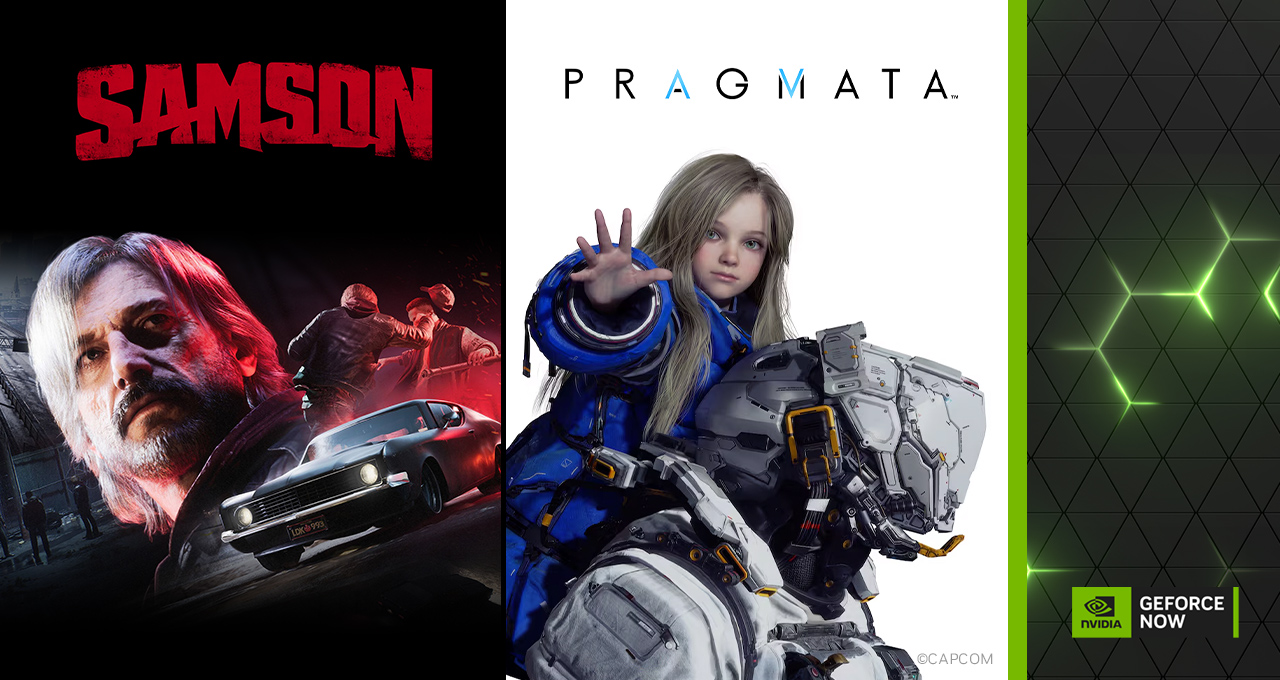
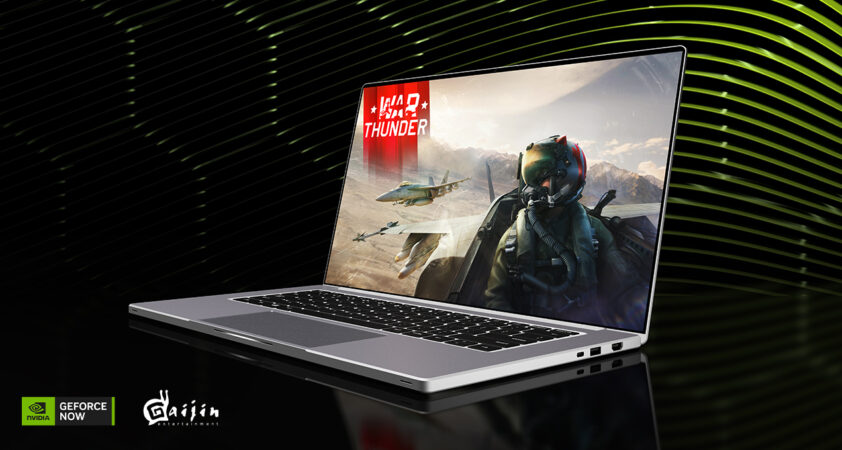
NVIDIA's GeForce NOW added support for Gaijin single sign-on, allowing players to authenticate their existing Gaijin.net accounts directly within the cloud gaming service. The integration means users of titles like War Thunder no longer need to re-enter credentials each session—they authenticate once and access supported games across devices. The announcement coincided with several new game releases becoming available for streaming through the platform, including Dead as Disco and HUNTDOWN: OVERTIME, expanding the library for RTX 5080-powered Ultimate tier members.
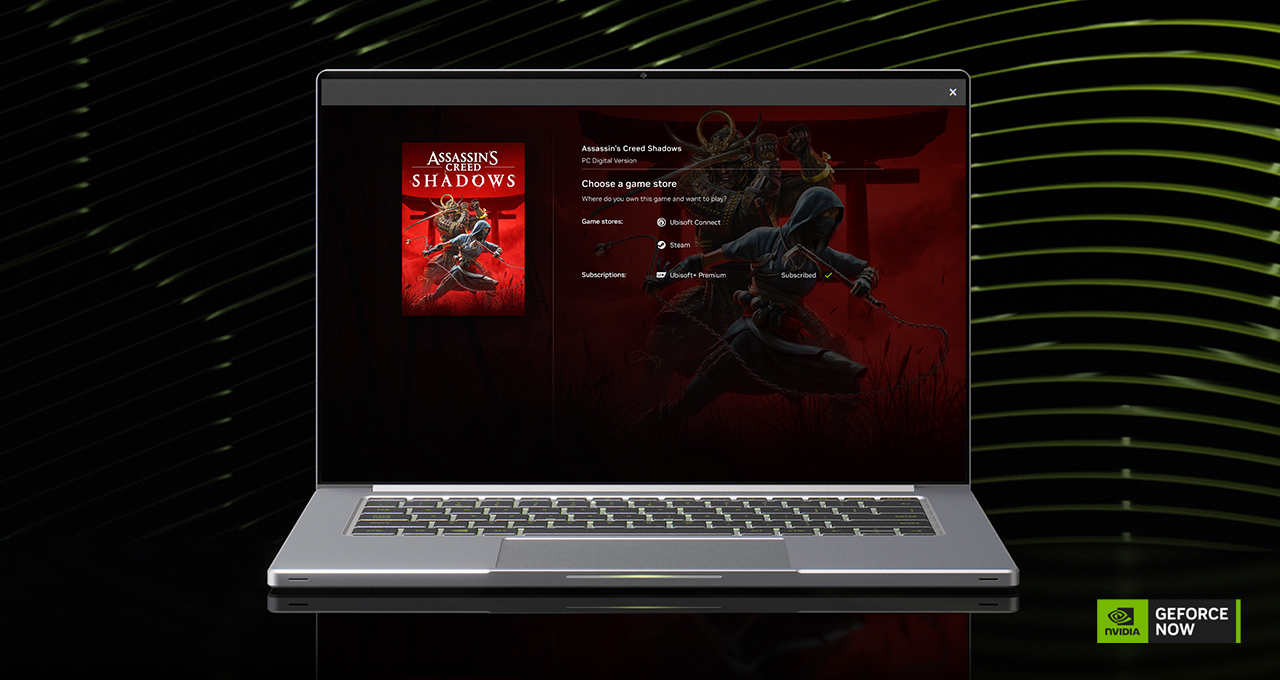
Cloud gaming has spent years competing against traditional PC and console gaming by promising frictionless access. Authentication fragmentation emerged as a hidden cost of that promise: players maintaining separate login credentials across game publishers, platforms, and streaming services created friction that undermined the convenience pitch. NVIDIA recognized this pattern and gradually built out an authentication layer supporting Xbox, Ubisoft Connect, Epic Games, and now Gaijin. This evolution reflects a maturing industry recognizing that eliminating authentication barriers is as critical to adoption as latency reduction or graphics quality.
The significance lies not in Gaijin specifically but in what it signals about cloud gaming's infrastructure strategy. Each authentication partnership represents negotiation between platform gatekeepers and publishers about control and data. By supporting multiple publisher sign-on systems rather than forcing a proprietary account requirement, NVIDIA removed a conversion barrier for players with existing investments in specific game ecosystems. This approach trades some proprietary lock-in for broader platform appeal—a calculated bet that reducing friction drives more conversion than forced consolidation would.
This affects three distinct audiences differently. For casual cloud gaming users, it's a minor convenience saving perhaps thirty seconds per session. For hardcore players of specific franchises like War Thunder, it reduces context-switching costs and makes the cloud version feel less like an alternative client and more like another access point to their existing account. For game studios, each integration point becomes a distribution advantage—appearing seamlessly in cloud gaming means one fewer barrier between a player and engagement, directly impacting MAU metrics and monetization opportunities.
Against Microsoft's Xbox Game Pass integration or Sony's PlayStation Plus Extra, NVIDIA's broader authentication flexibility positions GeForce NOW as the agnostic player—the platform that respects existing player investments rather than demanding consolidation. Microsoft can embed authentication because it owns the entire stack. NVIDIA, by contrast, is threading a needle between service providers, requiring partnerships rather than mandate. This fundamentally different competitive posture means NVIDIA wins through friction reduction rather than ecosystem lock-in, a strategy that works until a competitor achieves both.
The trajectory worth watching extends beyond gaming. As cloud services proliferate, authentication consolidation becomes a recurring friction point across industries. Gaijin's integration is a data point in a longer story about whether cloud platforms standardize around open authentication schemes or splinter into proprietary archipelagos. NVIDIA's current approach—build partnerships with major publishers and auth providers—scales only so far. The real inflection arrives when either enough publishers adopt standard protocols that cloud services stop needing custom integrations, or when consolidation pressures force players into exclusive ecosystems. Until then, watch which publishers NVIDIA can't move to SSO, as those represent both technical challenges and competitive vulnerabilities.
This article was originally published on NVIDIA AI Blog. Read the full piece at the source.
Read full article on NVIDIA AI Blog →DeepTrendLab curates AI news from 50+ sources. All original content and rights belong to NVIDIA AI Blog. DeepTrendLab's analysis is independently written and does not represent the views of the original publisher.