
The Verge — AI
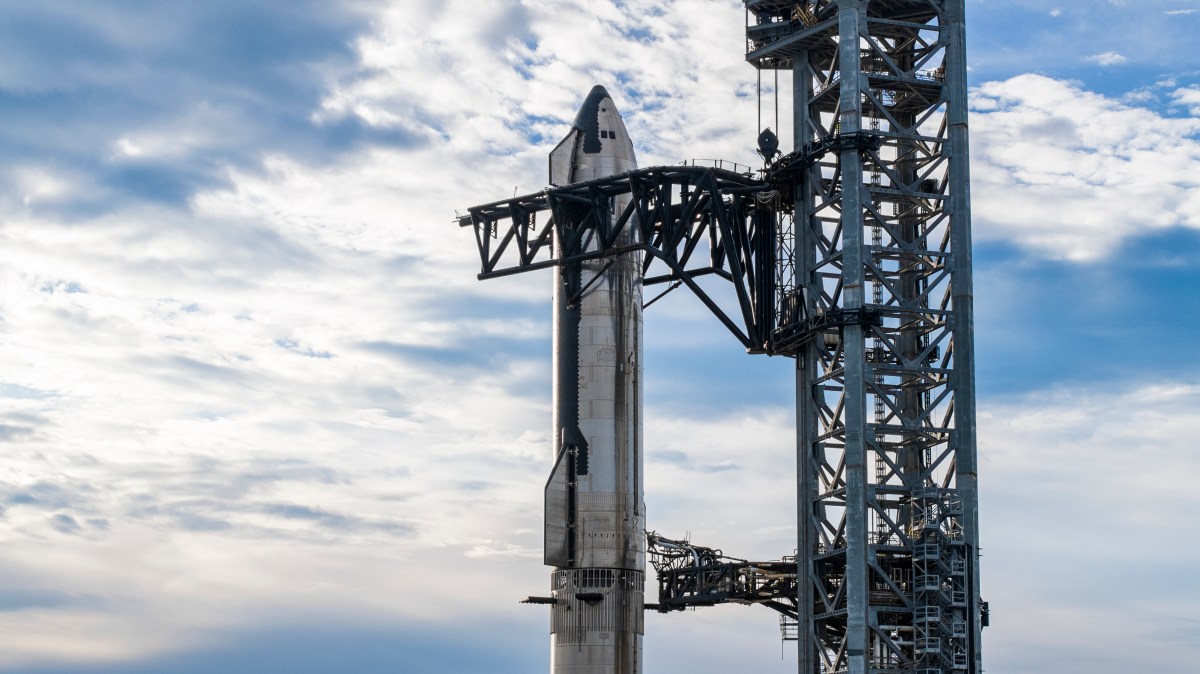
Google and SpaceX are actively exploring whether orbital infrastructure could become a meaningful platform for AI computation. According to reporting, the conversations between the two companies focus on deploying data centers in space—a shift that represents how seriously major cloud providers are taking the idea that compute proximity and operational efficiency might eventually justify the extreme costs of space-based infrastructure. The timing is significant: SpaceX is preparing for a public offering that values the company at $1.75 trillion, making orbital data centers a central narrative in its investment pitch. This move also follows SpaceX's recent acquisition of xAI and a subsequent partnership with Anthropic involving the Memphis-based data center, suggesting an integrated strategy to position the company as both infrastructure provider and compute platform.
The conditions enabling this conversation reveal how the AI infrastructure market has fundamentally shifted. Demand for compute is outpacing traditional data center expansion at an unprecedented scale, creating bottlenecks that force technology companies to explore unconventional solutions. Google's concurrent discussions with other launch providers—and its announced Project Suncatcher initiative targeting prototype satellites by 2027—indicate this is not an isolated trial balloon but a serious strategic direction. The underlying motivation is clear: the cost of launching and sustaining AI systems is becoming the primary constraint on capability growth, and companies are willing to pursue radical architectures if they promise marginal efficiency gains. SpaceX's earlier acquisition of xAI consolidates Elon Musk's control over compute provision, making orbital data centers an extension of his existing AI strategy rather than a separate venture.
If orbital data centers ever become economically viable, they would reshape how compute is distributed globally and how AI systems are powered. Unlike terrestrial data centers, which face increasing regulatory scrutiny, local opposition, and rising energy costs, space-based alternatives would operate in a jurisdiction-free environment with access to infinite cooling and no geographic constraints on energy sourcing. The implication is not just cheaper inference—it is the potential decoupling of AI development from the political economy of land, energy grids, and labor. For training and serving large models, this could become transformative, though only at scales where the engineering complexity justifies the capital expenditure. The broader stakes involve whether AI infrastructure becomes subject to the same geographic and regulatory pressures that govern traditional computing or whether capital-intensive space solutions become the default for frontier AI.
The distribution of benefits would be highly unequal. Only the largest technology companies—those spending billions annually on compute—could justify involvement in orbital infrastructure projects. This deepens the cost advantage that Google, OpenAI, and Anthropic already enjoy in the race to build larger models. Smaller competitors, startups, and open-source initiatives would face widening gaps in compute accessibility and cost, further entrenching concentration in AI development. Developers and researchers without direct backing from space-capable technology companies would face a world in which cutting-edge AI capability requires access to infrastructure that operates at scales beyond their reach. Consumer-facing AI applications would benefit only indirectly, through whatever efficiency gains eventually translate into cheaper services—a trickle-down dynamic that historically has been slow and incomplete.
The competitiveness argument masks an important reality: orbital data centers today remain vastly more expensive than their terrestrial equivalents once construction, launch, and maintenance are factored in. Musk's public claims about space-based compute being cheaper represent aspirational engineering rather than current economics, and this gap—between hype and feasibility—has become a central tension in how SpaceX is marketing itself to investors. Google's hedged approach, involving prototype development rather than immediate deployment, suggests skepticism about near-term viability. What we are watching is not a imminent infrastructure shift but rather a high-stakes bet on whether technology trajectories will eventually favor space. This is partly an engineering question, but increasingly it is a financial and strategic one: whoever controls the first commercially viable orbital compute infrastructure will have captured a unique economic advantage.
The immediate questions are technical and financial. Can reusable rockets drive launch costs down far enough to change the math? Will energy efficiency improvements in space offset the penalty of maintaining systems in orbit? Can any company achieve sustained profitability in orbital infrastructure, or will it remain a money-losing prestige project subsidized by monopoly profits elsewhere? The longer-term question is whether this becomes a genuine alternative to terrestrial expansion or remains a niche solution for applications with unusual constraints. For now, orbital data centers serve a useful narrative function: they allow technology executives to claim they are solving the compute bottleneck while actual growth depends on more prosaic solutions—more renewable energy, more efficient chips, and more data centers in places where regulations and labor costs are favorable. Watching which of these approaches actually scales will reveal whether space infrastructure is engineering innovation or financial theater.
This article was originally published on TechCrunch AI. Read the full piece at the source.
Read full article on TechCrunch AI →DeepTrendLab curates AI news from 50+ sources. All original content and rights belong to TechCrunch AI. DeepTrendLab's analysis is independently written and does not represent the views of the original publisher.


