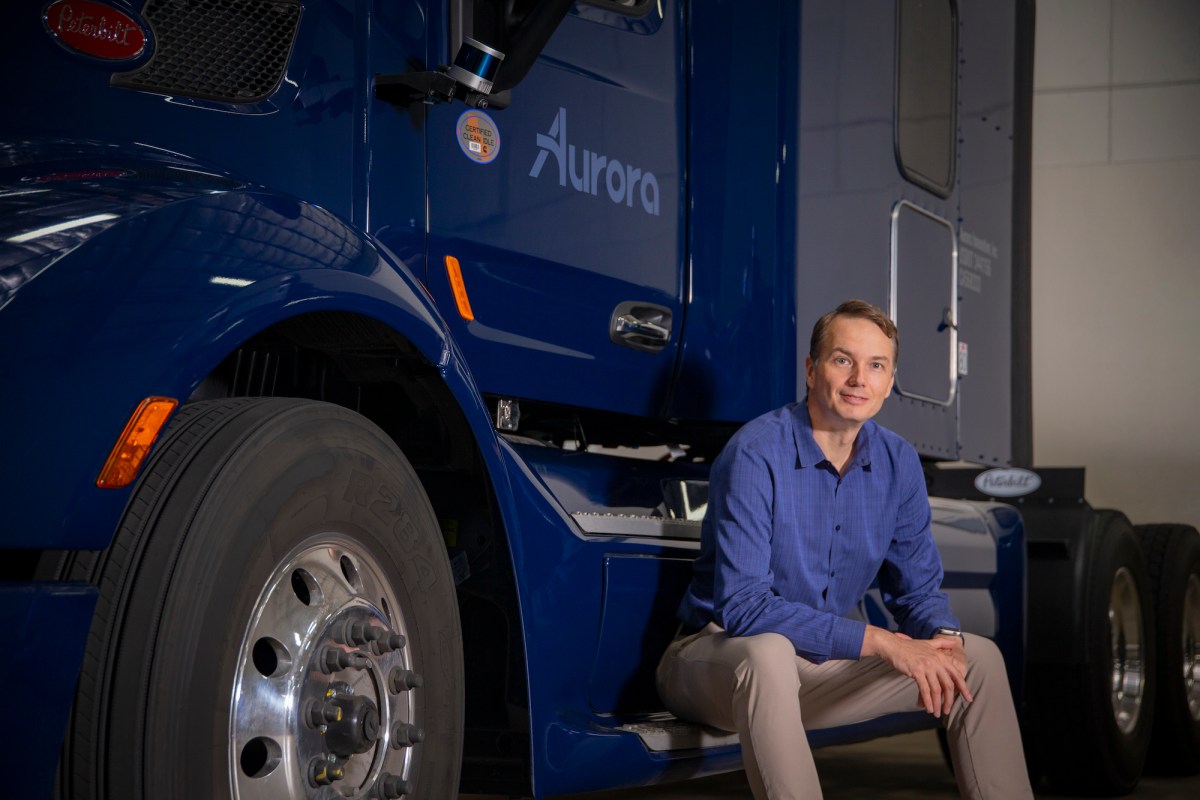
Aurora has moved from the perpetual "almost here" stage of autonomous vehicle development into actual commercial operation, scaling from initial deployments between Dallas and Houston last year to a projected fleet of hundreds throughout 2026. This represents a meaningful inflection point: the company has transitioned from proof-of-concept to revenue-generating logistics, with CEO Chris Urmson arguing that long-haul trucking economics have finally cracked the autonomy puzzle that robotaxis have struggled to solve for years.
The strategic divergence Urmson articulates—prioritizing constrained highway routes over chaotic urban environments—reveals something important about AI commercialization beyond the current LLM obsession. While the industry chases generalist models and scaling laws, Aurora's success hinges on specialized, verifiable systems designed for specific operational domains. Urmson's emphasis on "verifiable AI" and skepticism toward end-to-end neural approaches in safety-critical contexts suggests a philosophical rejection of the black-box paradigm dominating Silicon Valley. This methodological conservatism, combined with actual operational data from hundreds of trucks, positions Aurora as a counternarrative to the move-fast-and-break-things ethos that defines generative AI. The trucking vertical also sidesteps the regulatory quagmire that has paralyzed robotaxi ambitions, offering a cleaner path to profitability.
Watch whether Aurora's operational success translates into defensible competitive moats or merely validates a business model that competitors can quickly replicate. The real test arrives when the company attempts to expand beyond long-haul corridors into more complex scenarios, or when traditional logistics firms develop competing autonomous solutions leveraging their existing infrastructure advantages. If Aurora sustains margin expansion as fleet density increases, it could catalyze a wave of specialized AI applications prioritizing robustness over generalization—fundamentally reorienting how the industry allocates capital.
This article was originally published on TechCrunch AI. Read the full piece at the source.
Read full article on TechCrunch AI →DeepTrendLab curates AI news from 50+ sources. All original content and rights belong to TechCrunch AI. DeepTrendLab's analysis is independently written and does not represent the views of the original publisher.