Towards Data Science
The AI development world is experiencing a philosophical reckoning about how engineers should actually build. A growing movement is pushing back against the assumption that agentic coding tools—systems designed to write code for you—represent the future of software development. Instead, advocates are arguing that the real skill gap isn't about syntax anymore; it's about understanding the underlying systems you're building within. This distinction matters because it reveals a fundamental misalignment between how the industry is tooling developers and what actually produces durable technical judgment. Meanwhile, a wave of new platforms is launching AI agent capabilities, creating a paradox: the market is accelerating exactly the kind of tool-dependency that critics say weakens engineering craft.
The tension here has historical roots. A decade ago, no-code platforms promised to democratize software by eliminating code entirely—tools like Webflow, Airtable, and Zapier did deliver value for specific workflows. But they also created brittle systems with hard scaling limits and no path to deeper technical literacy. Now the industry is repeating a similar pattern with AI agents, but with different rhetoric. Instead of "no code," the pitch is "let AI write the code," which sounds empowering but often leaves developers in the same position: dependent on tools they don't fully understand, unable to diagnose failures or optimize for their actual constraints. The current moment is essentially a recursive version of that trap—the tools are smarter, but the underlying dependency structure remains unchanged.
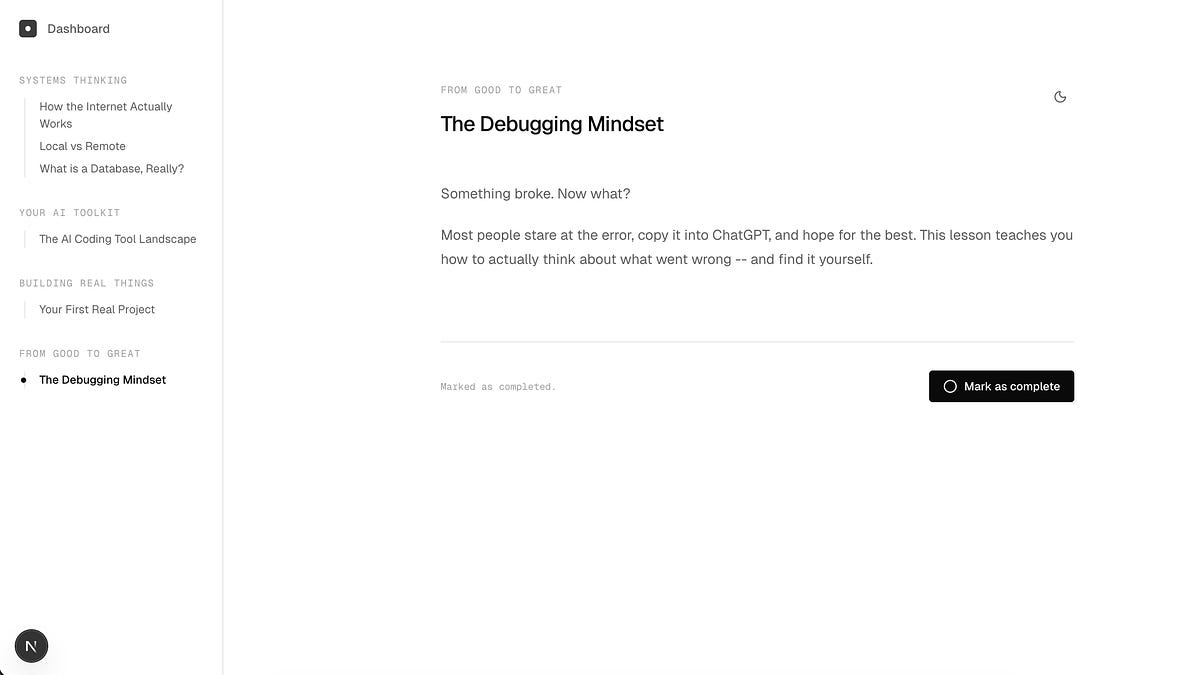
What makes this inflection point consequential is that it's forcing the industry to clarify what actually differentiates a capable engineer from someone who can prompt a tool. Systems thinking—understanding data flow, failure modes, architectural tradeoffs, performance characteristics—is the thing that scales across different problems and languages. Syntax was never the bottleneck for competent builders; it was always a means to implement systemic understanding. As AI becomes the default way code gets written, organizations will increasingly face a bifurcation: teams that invest in deep systems literacy will adapt and optimize; teams that treat agents as a complete substitute for engineering thinking will find themselves locked into suboptimal architectures they can't effectively modify or debug. This divergence will compound over time, creating lasting competitive advantages for the former.
The immediate impact falls hardest on junior and intermediate developers. Those early in their careers benefit from the friction of learning—wrestling with why systems fail teaches intuition that no amount of agent-generated code can replicate. Developers who skip that phase gain speed initially but lose the ability to make architectural decisions that survive contact with real constraints: scale, latency, security, maintainability. More established engineers may benefit from agent tools as force multipliers if they use them to accelerate execution of systems they already understand deeply. Enterprise teams face a different problem: they're under pressure to ship faster, so they'll adopt agent tools aggressively, then discover that their codebases have drifted into states no individual engineer fully comprehends. This creates technical debt in a new form—not bad code, but code nobody understands.
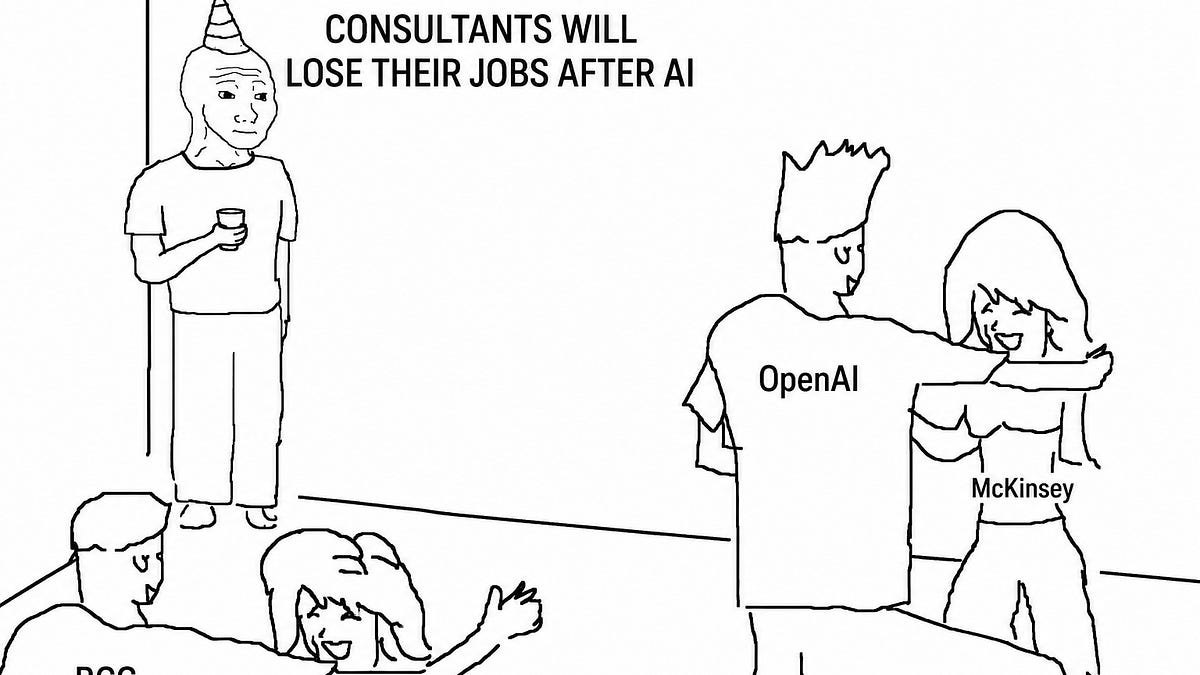
Competitively, this moment reveals a fragmentation in how AI vendors view the developer market. Companies like OpenAI are doubling down on agent tools and now moving into deployment services—betting that commoditizing the coding layer makes money in systems integration and consulting. Anthropic and others are positioning Claude in a way that emphasizes reasoning and systems understanding. Startups like Lightfield and Thinking Machines are building agent infrastructure that assumes developers will interact with AI as team members rather than replacements. These aren't minor positioning differences; they reflect fundamentally different theses about what the future of software development looks like. The market will eventually decide which model produces better outcomes, but until then, this is a genuine competitive bet with years of consequences baked in.
What's worth watching over the next 12-18 months is whether organizations that embrace agent-heavy development see measurable differences in system quality, maintainability, or incident response compared to teams that treat AI as an enhancement to human-led systems thinking. The second indicator to track is where the best engineers choose to work—if they gravitate toward organizations or frameworks that preserve the need for deep technical judgment, that's a signal about the staying power of systems literacy as a competitive moat. Finally, watch for the emergence of "post-agent" frameworks and practices: intentional approaches to using AI tools while maintaining systems comprehension. The winners will likely be those who figure out how to get the velocity benefits of agents without surrendering the technical judgment that makes systems resilient.
This article was originally published on Ben's Bites. Read the full piece at the source.
Read full article on Ben's Bites →DeepTrendLab curates AI news from 50+ sources. All original content and rights belong to Ben's Bites. DeepTrendLab's analysis is independently written and does not represent the views of the original publisher.