Explore the latest AI news and research tagged #neural networks — curated from top sources including OpenAI, Anthropic, Google DeepMind, and more.
#neural networks
19 articles

📈 Newsletters
Towards Data Science
8 min read
Solving multiplayer games with function approximation The post Playing Connect Four with Deep Q-Learning appeared first on Towards Data Science .

📈 Newsletters
Towards Data Science
27 min read
A review of the Cross-Stage Partial Network paper — and a from-scratch PyTorch implementation The post CSPNet Paper Walkthrough: Just Better, No Tradeoffs appeared first on Towards Data Science .

📈 Newsletters
Towards Data Science
7 min read
One scale parameter determines accuracy in rotation-based vector quantization. The post How a 2021 Quantization Algorithm Quietly Outperforms Its 2026 Successor appeared first on Towards Data Science .

🐻 Research
Berkeley AI Research
6 min read
An encoder (optical system) maps objects to noiseless images, which noise corrupts into measurements. Our information estimator uses only these noisy measurements and a noise model to quantify how well…
🔬 Research
Distill.pub
41 min read
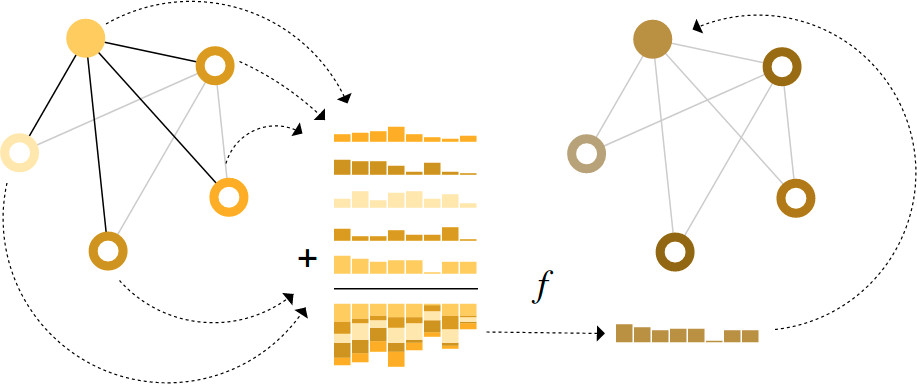
What components are needed for building learning algorithms that leverage the structure and properties of graphs?
🔬 Research
Distill.pub
11 min read
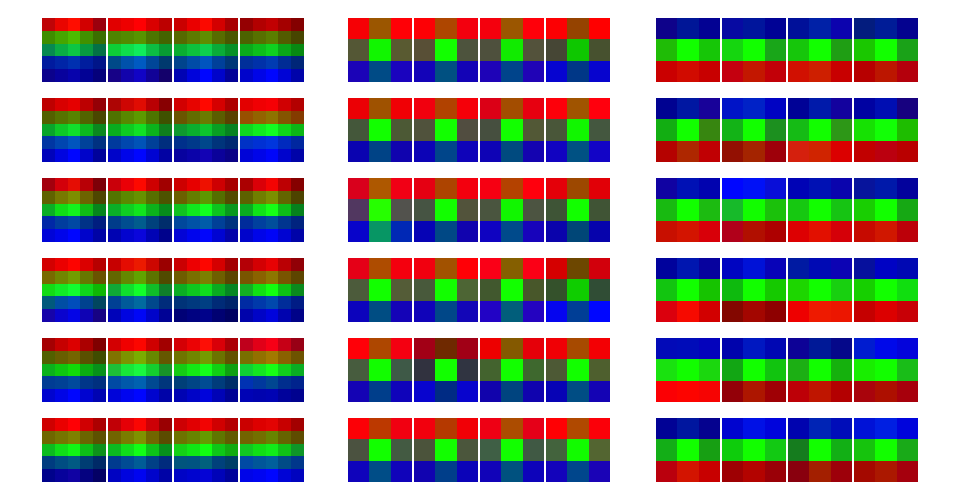
Weights in the final layer of common visual models appear as horizontal bands. We investigate how and why.

🔬 Research
Distill.pub
9 min read
We report the existence of multimodal neurons in artificial neural networks, similar to those found in the human brain.

🔬 Research
Distill.pub
15 min read
We present techniques for visualizing, contextualizing, and understanding neural network weights.

🔬 Research
Distill.pub
3 min read
Reverse engineering the curve detection algorithm from InceptionV1 and reimplementing it from scratch.
🔬 Research
Distill.pub
18 min read
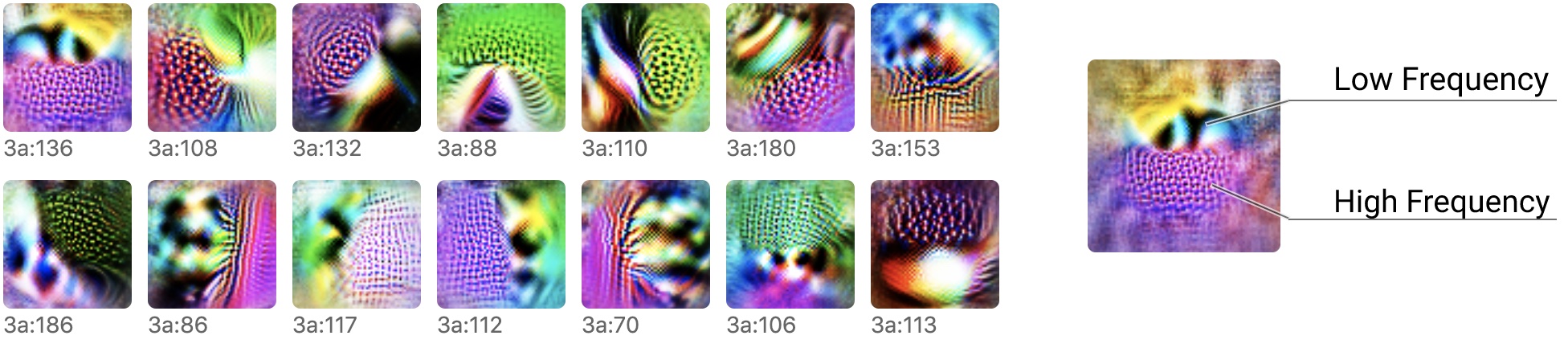
A family of early-vision neurons reacting to directional transitions from high to low spatial frequency.
🔬 Research
Distill.pub
27 min read
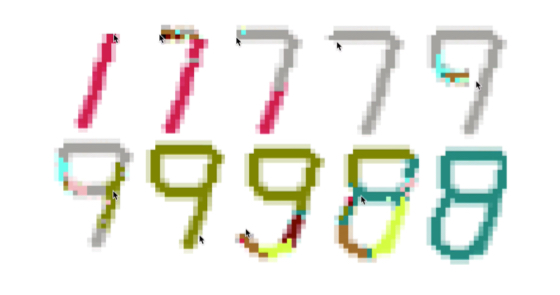
Training an end-to-end differentiable, self-organising cellular automata for classifying MNIST digits.

🔬 Research
Distill.pub
36 min read
Part one of a three part deep dive into the curve neuron family.

🔬 Research
Distill.pub
17 min read
An overview of all the neurons in the first five layers of InceptionV1, organized into a taxonomy of 'neuron groups.'
🔬 Research
Distill.pub
42 min read
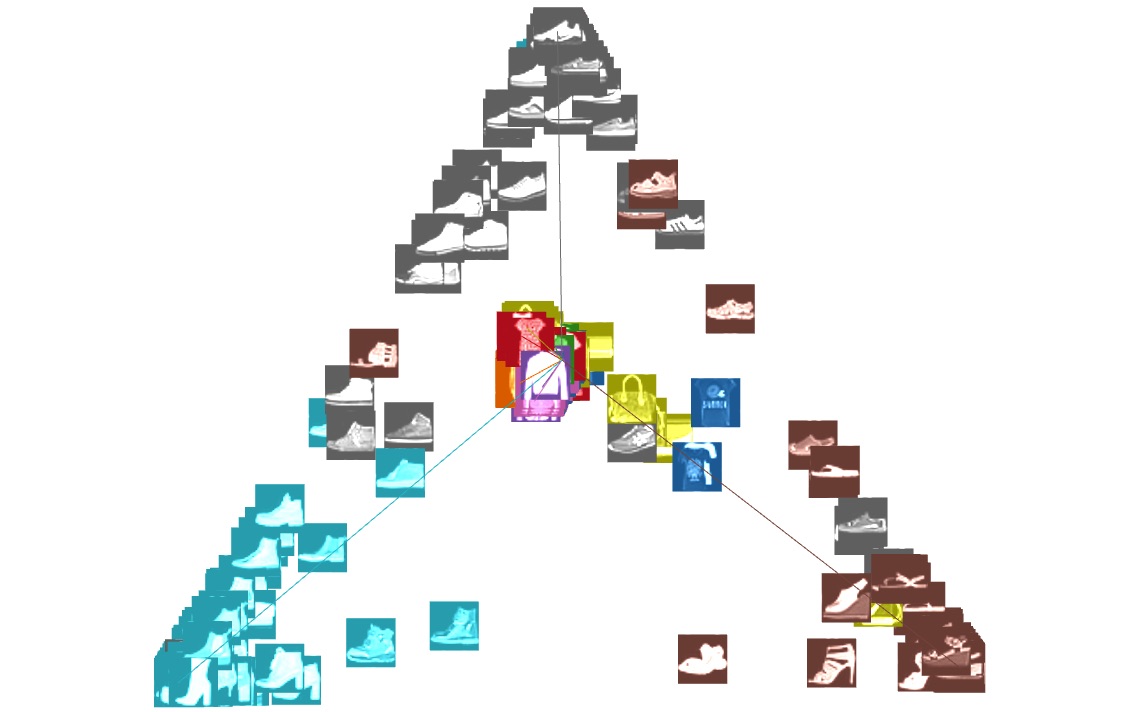
By focusing on linear dimensionality reduction, we show how to visualize many dynamic phenomena in neural networks.
🔬 Research
Distill.pub
5 min read
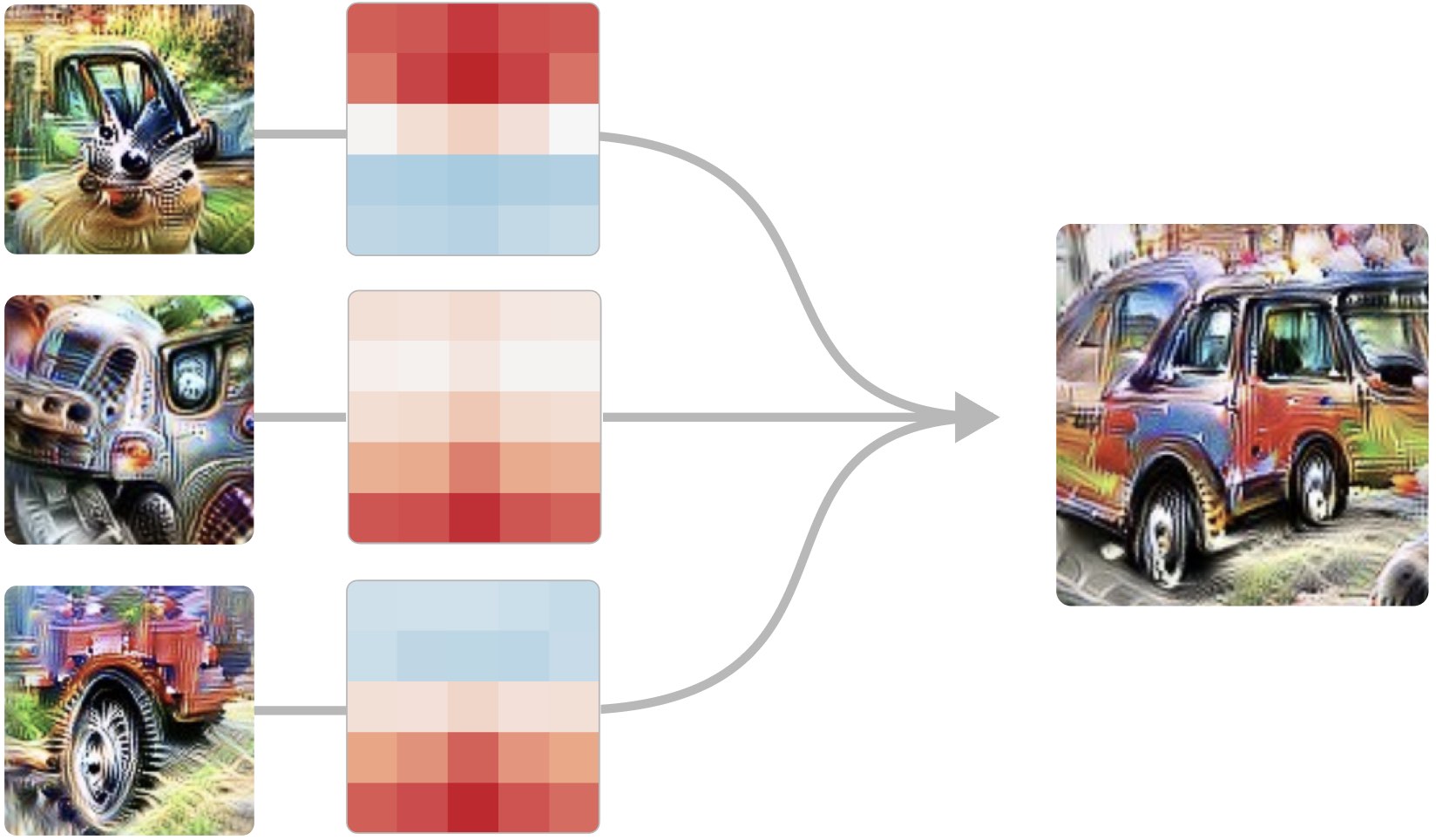
What can we learn if we invest heavily in reverse engineering a single neural network?
🔬 Research
Distill.pub
42 min read
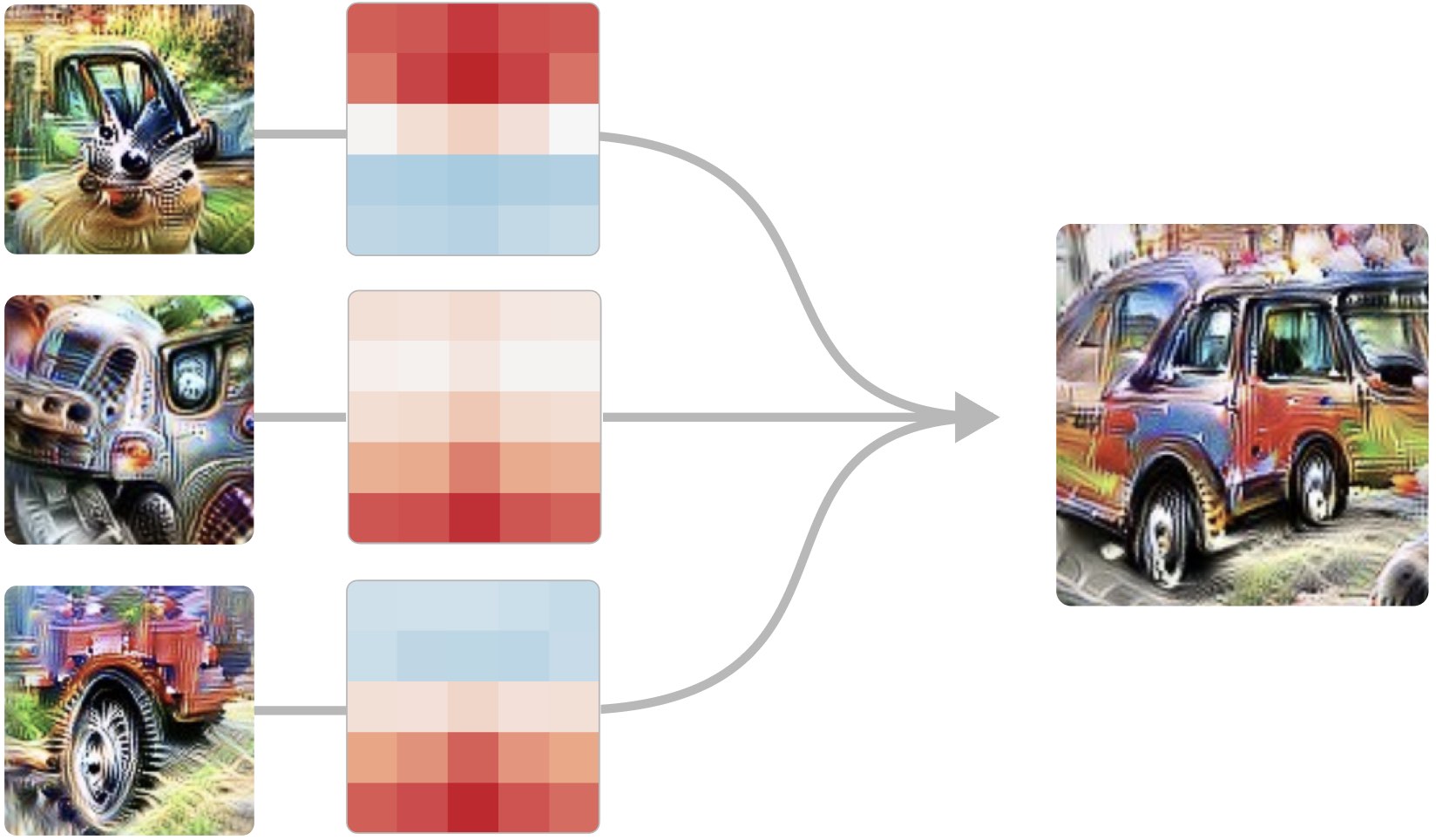
By studying the connections between neurons, we can find meaningful algorithms in the weights of neural networks.
🔬 Research
Distill.pub
9 min read
Six comments from the community and responses from the original authors

🔬 Research
Distill.pub
9 min read
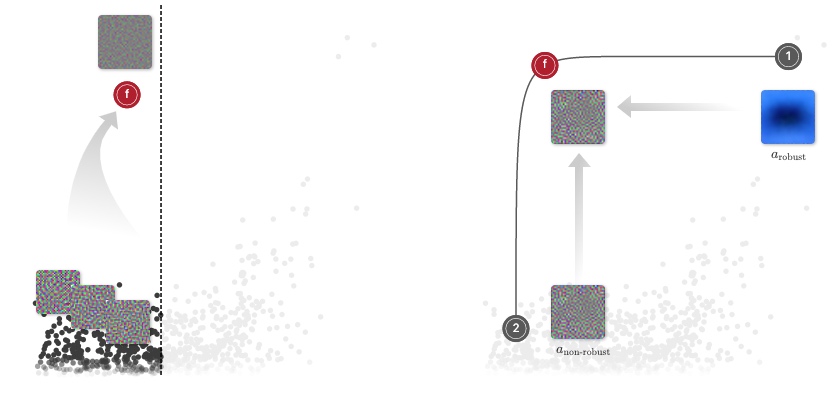
The main hypothesis in Ilyas et al. (2019) happens to be a special case of a more general principle that is commonly accepted in the robustness to distributional shift literature

🔬 Research
Distill.pub
6 min read
An example project using webpack and svelte-loader and ejs to inline SVGs