Towards Data Science
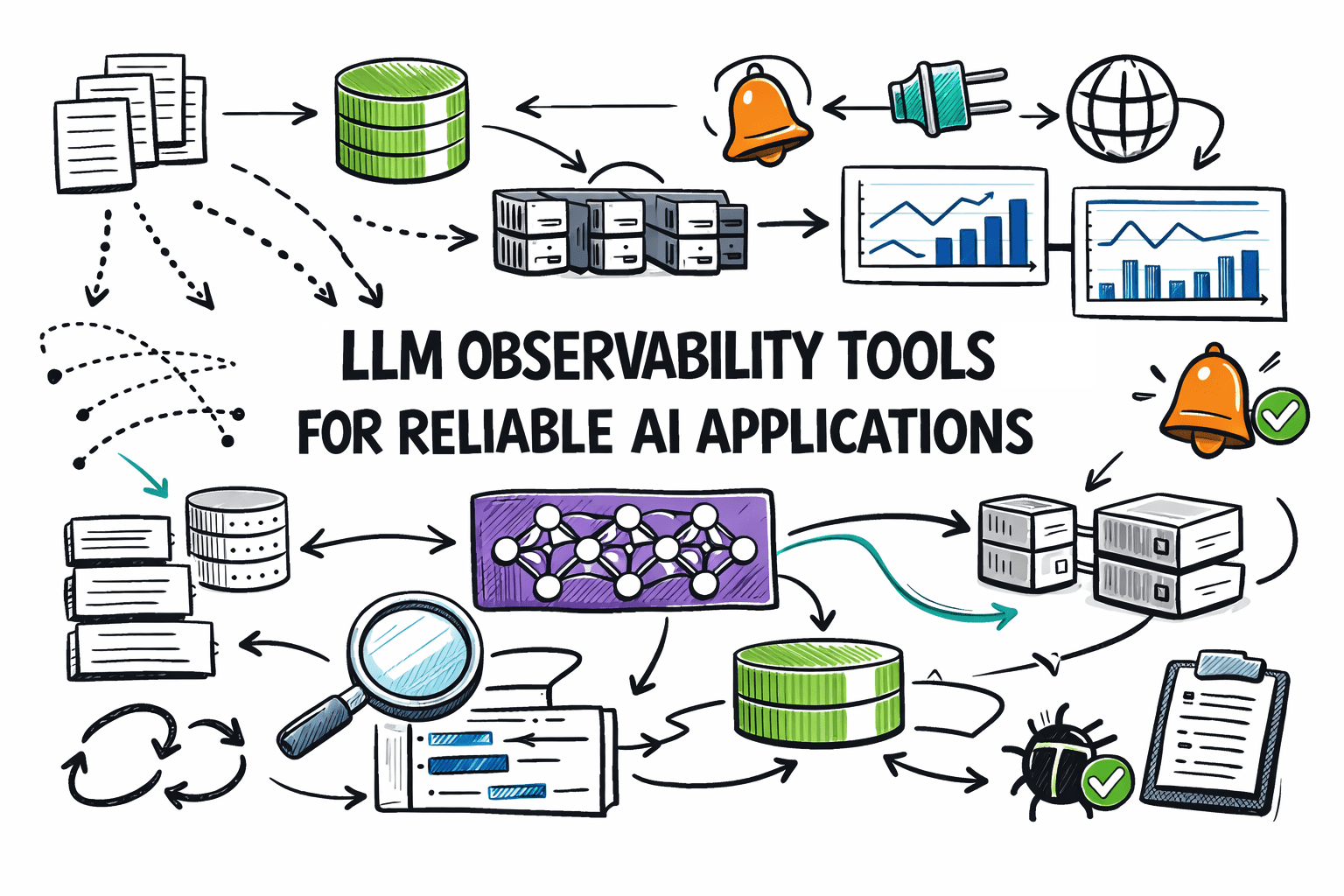
Machine Learning Mastery's survey of LLM observability tools reveals something the AI industry has been collectively avoiding: production language models are now a critical dependency for real businesses, yet the infrastructure to keep them reliable remains fragmented and immature. The article catalogs seven competing platforms designed to fill the gap between demonstration environments—where prompt engineering works in isolation—and production systems where degradation, cost overruns, and silent quality regressions are daily threats. This is not a minor point. The very thing that made LLMs so appealing—their flexibility and apparent ease of deployment—creates a management vacuum the moment usage scales beyond internal testing. Observability tools are the circuit breaker between "demo worked in my notebook" and "this model costs our company six figures a month in unexpected API calls."
The explosion of LLM observability as a category reflects a maturation curve that took traditional application infrastructure years to complete, but compressed into months for AI. When LLMs entered practical deployment in 2023, teams discovered rapidly that neither classical APM monitoring nor MLOps infrastructure was designed for the specific failure modes of large language models: non-deterministic outputs, token cost opacity, prompt-level regressions that affect thousands of users silently, and evaluation criteria that resist simple metrics. The LangChain ecosystem, particularly through LangSmith, moved early to embed observability into the development framework itself—a strategic move that bundled visibility with usability. Simultaneously, point solutions from startups like Humanloop and established players like Databricks began fragmenting the market. This survey appears at precisely the inflection point where observability is transitioning from "nice to have for sophisticated teams" to table stakes for any organization deploying language models beyond internal experimentation.
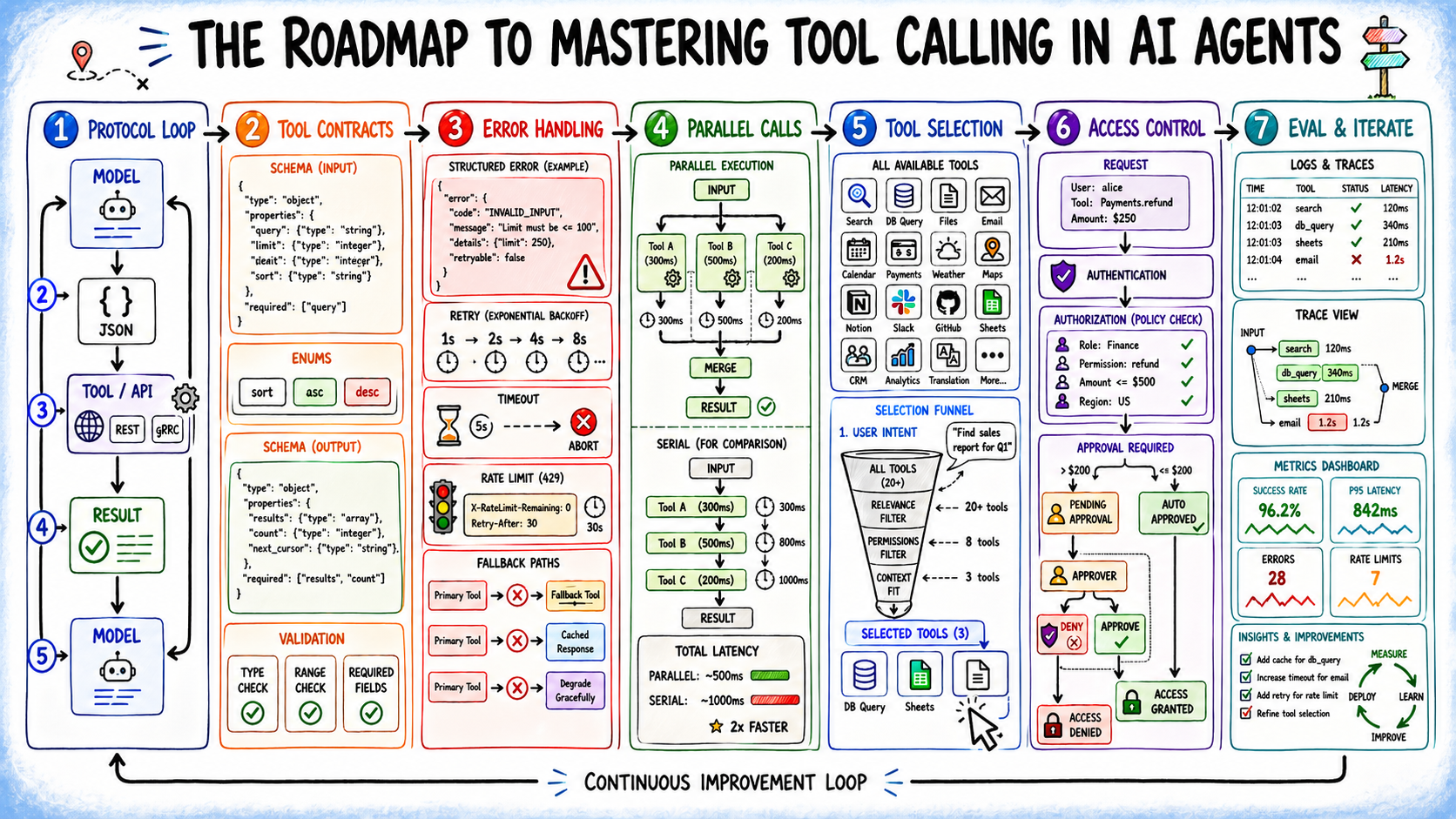
The implications here are structural and economic. LLM observability tools solve a genuinely hard problem: understanding what a black-box neural network is doing at inference time, evaluating whether its output meets unstated quality criteria, and predicting where the next expensive mistake will occur. Without this layer, companies face a choice between throttling LLM adoption—limiting it to low-risk, easily validated tasks—or accepting significant operational blindness. That's a false choice that observability collapses, making it possible to expand LLM usage with confidence. For the broader AI stack, this also signals that "observability as architecture" is becoming the norm; future AI frameworks will be designed with tracing, evaluation, and cost tracking built in rather than bolted on. The fact that tools must understand chains, agents, tool calls, and retrieval-augmented generation steps means observability is no longer a peripheral concern but a first-class feature. This raises the bar substantially for what counts as a serious AI platform.
The constituency most directly affected is the emerging class of AI engineers building production systems: those responsible for turning model capabilities into reliable, cost-controlled applications. Developers who previously saw observability as useful context gain leverage when they can quantify quality trends, surface token usage patterns, and flag anomalies before incidents. Teams building multi-step agentic systems—where a single request chains through retrieval, reasoning, and tool calls—face exponential complexity without structured tracing. Enterprises deploying LLMs across customer-facing workflows suddenly have visibility into where failures cluster, which prompts degrade under load, and whether a model update actually improved performance or just moved the problem downstream. For vendors and organizations operating these tools at scale, observability becomes a cost management tool; unmonitored token consumption is essentially a leak in the budget. The market survey essentially validates that "shipping LLM apps without observability is professionally negligent," which forces adoption up the stack.
Competitively, this moment represents both consolidation and fragmentation risk. LangSmith's tight integration with LangChain and LangGraph creates a gravity well; teams adopting those frameworks are naturally drawn into its observability layer, reinforcing the ecosystem dominance of the LangChain parent company LangChain Inc. However, the survey's acknowledgment that six other capable tools exist—serving different team sizes, deployment models, and use cases—suggests the market won't settle on a single winner quickly. The real competitive pressure comes from cloud providers watching this emerge: Amazon, Google, and Microsoft each have strong incentives to bake observability into their AI platforms, potentially making third-party tools redundant. The presence of a market taxonomy in a major publication may actually accelerate that move; cloud providers will see observability as table stakes and integrate it natively rather than rely on startups to fill the gap.
What should hold attention is whether observability standardizes. The mention of OpenTelemetry-compatible setups hints that industry coalescence around standards might be possible, but language model semantics are still novel enough that a true standard doesn't yet exist. Watch for: cloud providers shipping native LLM observability within twelve months; consolidation around one or two platforms as usage expands; regulatory requirements (data residency, audit trails for AI decision-making) that force observability into compliance frameworks; and the question of whether observability costs become a meaningful percentage of LLM inference spend, potentially creating a secondary market for observability optimization tools.
This article was originally published on Machine Learning Mastery. Read the full piece at the source.
Read full article on Machine Learning Mastery →DeepTrendLab curates AI news from 50+ sources. All original content and rights belong to Machine Learning Mastery. DeepTrendLab's analysis is independently written and does not represent the views of the original publisher.