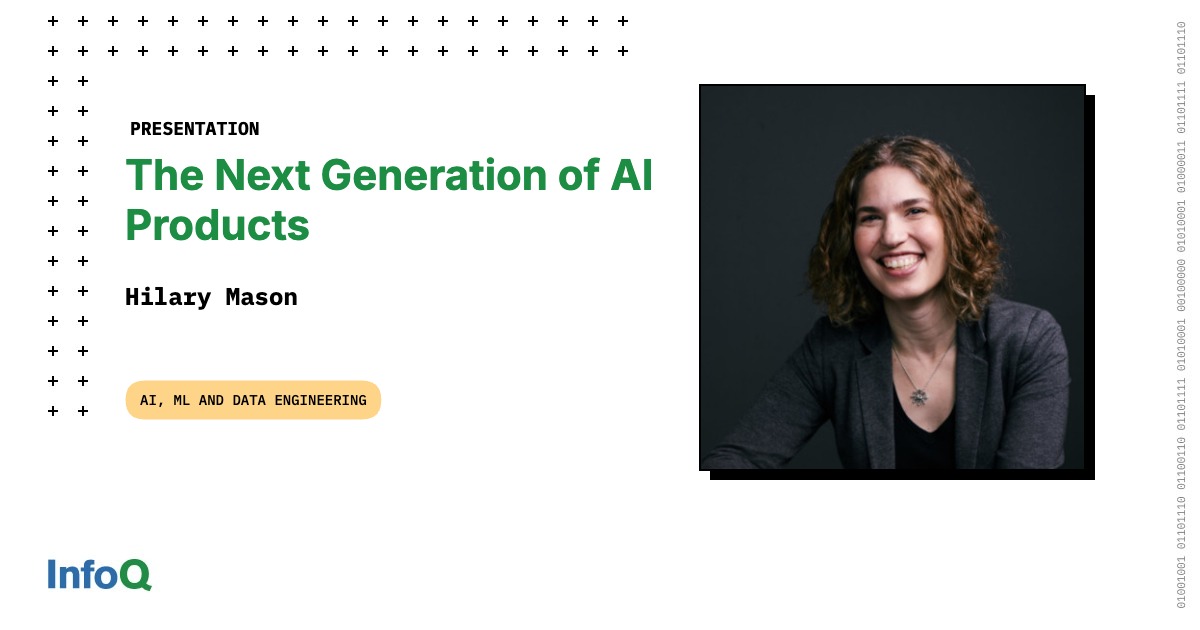
An engineering intelligence startup has weaponized research against hope. DX, a platform built on academic productivity frameworks (DORA, SPACE, DevEx), is carving out territory by positioning itself as a measurement referee in an industry drowning in AI productivity claims. At an industry presentation, the company's leadership presented a synthesis of competing productivity studies—from Google's cheerful 10% gains to the METR study's 19% decline—and their own correlations. The through-line is uncomfortable: quantitative results contradict subjective experience, and nobody's measuring consistently. This framing moves DX from tool vendor to epistemological authority, which is strategically smarter than just claiming the fastest autocomplete.
The timing is critical because the AI productivity narrative is calcifying prematurely. Tech leadership breathed a collective sigh of relief when Google published optimistic internal metrics, but the METR study cracked that narrative by showing productivity could actually decline even as developers felt better. The DORA community's recent report tried to thread the needle with modest positive correlations—single-digit percentage improvements in documentation, code quality, and review speed. But these framing contests matter less than the fact that enterprises still don't know if they're buying efficiency or theater. The research playbook DX assembled speaks to a market demand that's shifted from "give us AI" to "prove the AI you sold us works."
This matters because the productivity gains from software engineering are notoriously difficult to measure, and AI has turned that difficulty into a liability. When every vendor claims gains and academia shows contradictory results, buying decisions devolve into faith and peer pressure. DX is betting that engineering leaders will eventually demand better visibility—not just that their tools work, but that they work measurably, consistently, and better than alternatives. That's a market position: you're not selling productivity, you're selling the confidence that productivity is real. In an industry where tool adoption cycles are long and switching costs are real, measurement credibility becomes a durable moat.
The immediate audience is engineering leadership at midmarket and enterprise scale—organizations large enough to fund tool sprawl but disciplined enough to question it. DevOps teams and engineering managers feel the pressure acutely: their leadership wants to know if Copilot, Cursor, or internal AI assistants are delivering on the hype, and their own intuition (usually positive) conflicts with external research (usually mixed). Tool builders face pressure in reverse; they need to either validate their claims against rigorous frameworks or risk being dismissed as unproven in procurement conversations. The gap between perception and reality doesn't just affect buying decisions—it affects how organizations staff and structure teams around AI tooling.
DX's competitive play is subtle but sharp. Rather than competing on feature parity with Cursor or GitHub Copilot, the company competes on the question: "How do you actually know it works?" That shifts the battleground from execution to credibility. GitHub and JetBrains can measure engagement and retention; they can't easily measure impact on business outcomes without external help. DX becomes the audit function for productivity claims, which is a defensive position if you're an incumbent vendor but an offensive position if you're a platform trying to consolidate governance around AI tooling. The DORA community alignment is particularly clever—it borrows academic legitimacy while positioning DX as the implementation partner for those frameworks.
Watch for whether measurement becomes table stakes or remains optional theater. If engineering organizations start demanding proof—validated against common frameworks—before renewing AI tool contracts, the playbook DX is promoting becomes a required reading. Conversely, if vendors successfully blur the definition of productivity gains (shipping speed vs. code quality vs. developer satisfaction, all claimed simultaneously) the measurement gap will widen further. The emerging question isn't whether AI helps engineers; it's whether we'll ever agree on what "helps" means. DX is betting the answer is yes, and that standardization around DORA-adjacent metrics will eventually dominate procurement. That's either visionary or naive depending on whether the industry actually matures toward rigor.
This article was originally published on InfoQ AI. Read the full piece at the source.
Read full article on InfoQ AI →DeepTrendLab curates AI news from 50+ sources. All original content and rights belong to InfoQ AI. DeepTrendLab's analysis is independently written and does not represent the views of the original publisher.